December 2, 2012
February 16, 2012
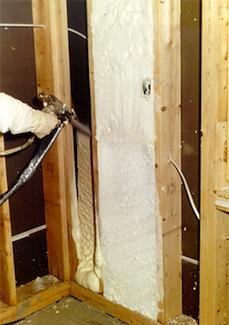
DFI completed a basement insulation retrofit at the Hartfords house in Peru. After removing the R11 fiberglass in the rim joist area, we could see why the basement was cold.
December 12, 2011
July 14, 2011
Gap is renewing a campaign begun last spring to encourage people to bring in old jeans to be turned into recycled denim insulation. The campaign, which started last Wednesday and runs through October 20th, goes like this: you bring in some old...
Read moreJuly 1, 2011
Winter's coming. It's already heating season. So how do you save money on heating costs? You've got to own your heat. Simple as that. You've paid for all that warm air already, so it doesn't make much sense to waste it now.
June 20, 2011
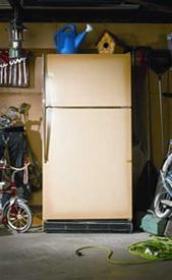
One of the biggest energy guzzlers in your home (besides, most likely, your thermal envelope, which lets expensive conditioned air escape through air leaks and poorly insulated walls) is the refrigerator. Upgrading it, believe it or not, can save...
Read more
June 11, 2011
On cold winter days, a ray of sun streaming into your house can be most welcome - a free source of heat. But what about in the summer, when those rays of sun and other, less-evident solar heat, seep into our already too-hot houses and become a...
Read moreJune 2, 2011
Pending in the Senate is a bill called the Home Star Retrofit Act of 2010, or simply Home Star for short. Sometimes referred to as Cash for Caulkers in street slang, the bill would provide a series of financial incentives for homeowners to...
Read more
May 23, 2011
Winter's coming. It's already heating season. So how do you save money on heating costs? You've got to own your heat. Simple as that. You've paid for all that warm air already, so it doesn't make much sense to waste it now.
A simple enough...
Read more